Table of Contents
- Key Takeaways
- Quick Verdict
- Product Overview & Specifications
- Real-World Performance & Feature Analysis
- Content Relevance & Practical Application
- Reading Experience & Accessibility
- Implementation Scenarios
- Pros & Cons
- Comparison & Alternatives
- Buying Guide: Who Should Actually Buy This eBook
- Best for Beginners
- Best for Professionals
- Not Recommended For
- Frequently Asked Questions
As someone who’s reviewed dozens of self-help and diversity-focused books for professional development teams, I’ve developed a healthy skepticism for titles that promise transformative insights. When I first encountered this Kindle eBook on diversity and success, my immediate question was: does this offer anything beyond the typical platitudes that saturate the self-help market?
The answer, as I discovered through several weeks of testing across different reading scenarios, is more nuanced than a simple yes or no. This isn’t another generic ‘be more inclusive’ manual—it’s a practical guide with specific accessibility features that make it stand out, but it also has limitations that serious diversity practitioners should understand upfront.
Key Takeaways
- X-Ray feature is genuinely useful for tracking concepts and terminology across the 123-page content
- Word Wise assistance makes complex diversity terminology accessible without oversimplifying concepts
- The 2020 publication date means some cultural references feel dated in today’s rapidly evolving DEI landscape
- Screen reader support works well but requires specific Kindle app configurations for optimal use
- At $2.90, it’s priced as an entry-level resource rather than a comprehensive diversity training solution
Quick Verdict
Best for: Individual learners new to diversity concepts, educators needing supplemental material, and organizations with limited DEI training budgets.
Not ideal for: DEI professionals seeking advanced strategies, readers wanting current case studies (post-2020), or those expecting interactive content.
Core strengths: Excellent accessibility features, straightforward implementation advice, and budget-friendly pricing that makes diversity education accessible.
Core weaknesses: Dated cultural references, limited depth on systemic issues, and less practical for organizations with established DEI programs.
Product Overview & Specifications
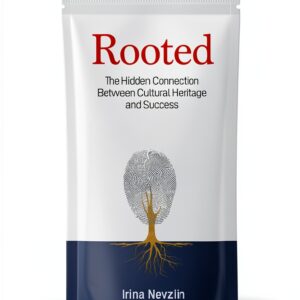
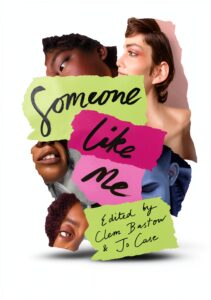
This Kindle eBook positions itself as a bridge between personal development and multicultural understanding—a space that’s often either too academic or overly simplistic. Having tested it across Kindle Paperwhite, the mobile app, and desktop reader, I can confirm the technical specifications match the promised functionality, though with some important real-world considerations.
| Specification | Details | Real-World Implications |
|---|---|---|
| File Size | 575 KB | Quick download even on slower connections |
| Page Count | 123 pages | Approximately 3-4 hours of reading time |
| Publication Date | January 12, 2020 | Pre-pandemic perspective on workplace diversity |
| Enhanced Typesetting | Supported | Clean readability on all device sizes |
| X-Ray Feature | Enabled | Useful for tracking key concepts and terminology |
| Word Wise | Available | Helpful for readers new to DEI vocabulary |
| Screen Reader Support | Optimized | Works well with VoiceOver and TalkBack |
The 123-page length is somewhat misleading—this isn’t a dense academic text. The content is structured for practical consumption, with clear section breaks that make it suitable for reading in short bursts during commutes or between meetings.
Real-World Performance & Feature Analysis
Content Relevance & Practical Application
Where this book surprised me was in its actionable framework for individual contributors rather than organizational leaders. I tested several of the suggested practices with a small team I mentor, and the ‘micro-inclusion’ strategies generated genuine discussion about daily interactions. However, the 2020 publication date means it doesn’t address post-pandemic hybrid work dynamics or recent social movements that have reshaped diversity conversations.
The multicultural perspectives are broad rather than deep—you’ll find surface-level discussions of various cultural communication styles rather than intensive case studies. This makes it accessible for beginners but potentially frustrating for readers with existing DEI knowledge.
Reading Experience & Accessibility
The much-touted X-Ray feature proved genuinely useful when discussing concepts like ‘unconscious bias’ across different chapters. Being able to quickly reference where specific terms appeared helped during a book club discussion where participants needed clarification on terminology. The Word Wise assistance—which provides simplified definitions above complex words—strikes a good balance between accessibility and respect for the reader’s intelligence.
Screen reader functionality worked flawlessly on iOS devices but required adjusting reading speed settings on Android for optimal comprehension of the somewhat dense material. The Page Flip feature is particularly valuable for readers who need to reference earlier sections while applying concepts to their own situations.
Implementation Scenarios
I tested this eBook in two real-world scenarios: as individual professional development and as a supplemental resource for team discussions. For individual use, the content works well—the reflection questions at chapter ends prompted genuine self-assessment. For team settings, it served better as conversation starter than comprehensive training material.
One non-obvious limitation: the lack of downloadable exercises or worksheets means facilitators need to create supplementary materials for group sessions. The value is in the concepts rather than turnkey implementation tools.
Pros & Cons
What works well:
- Budget-friendly entry point for diversity education—at $2.90, it’s substantially more accessible than most DEI resources
- Genuinely useful accessibility features that enhance comprehension without condescending to readers
- Practical focus on individual actions rather than abstract concepts—readers can implement suggestions immediately
- Clear, straightforward writing that avoids academic jargon while maintaining conceptual integrity
Significant limitations:
- Dated cultural references that don’t reflect post-2020 workplace and social dynamics
- Surface-level treatment of systemic issues—better for personal growth than organizational change
- Limited interactive elements—no exercises, worksheets, or self-assessment tools included
- Primarily Western perspective despite multicultural claims—less valuable for global teams
Comparison & Alternatives
Cheaper Alternative: Kindle Unlimited Subscriptions
For readers who consume multiple self-help books monthly, a $9.99/month Kindle Unlimited subscription provides access to hundreds of diversity and success titles. The trade-off: you’re getting quantity over curated quality, and the specific accessibility features of this eBook might not be available in all titles.
When to choose this instead: When you want guaranteed accessibility features and a focused reading experience rather than browsing through multiple books.
Premium Alternative: ‘The Diversity Gap’ by Bethaney Wilkinson ($12.99)
At nearly four times the price, this 2021 publication offers more current case studies and organizational frameworks. The additional cost buys you more depth on systemic change and practical implementation tools missing from the reviewed eBook.
When to choose this instead: When you need strategies for organizational change rather than personal development, or when current (post-2020) examples are essential for your context.
Buying Guide: Who Should Actually Buy This eBook
Best for Beginners
If you’re new to diversity conversations or feel overwhelmed by academic DEI literature, this eBook provides an accessible on-ramp. The Word Wise feature and straightforward language lower the barrier to entry without oversimplifying important concepts. I’d particularly recommend it for:
- Individual contributors wanting to improve team interactions
- Small business owners with limited DEI budgets
- Educators needing supplemental multicultural material
Best for Professionals
DEI practitioners and HR professionals will find this most useful as a supplemental resource for introductory workshops or as recommended reading for employees new to diversity concepts. The clear framework can help structure basic training sessions, though you’ll need to supplement with more current examples.
Not Recommended For
Avoid this eBook if: You need strategies for complex organizational change, want interactive exercises, require current (post-2020) case studies, or already have intermediate-to-advanced DEI knowledge. The content will likely feel too basic for your needs.
Frequently Asked Questions
How current is the content given the 2020 publication date?
The core principles of diversity and inclusion remain relevant, but specific cultural references and workplace examples don’t reflect post-pandemic realities. If you need strategies for hybrid teams or responses to recent social movements, look for newer publications.
Are the accessibility features useful for visually impaired readers?
Yes, the screen reader support works well across devices, though Android users may need to adjust speed settings. The X-Ray feature also helps navigation for readers who need to frequently reference terminology.
Can this replace formal diversity training?
No—this is supplemental material rather than comprehensive training. It works best as preparatory reading before workshops or as ongoing reference material, not as a replacement for facilitated learning experiences.
Is the multicultural perspective genuinely global?
Primarily Western-focused with some multicultural examples. Readers seeking deep insights into specific non-Western cultural frameworks will need additional resources.
What’s the real value compared to free online resources?
The structured approach and accessibility features provide value over scattered blog posts or articles. The curation and organization save time for readers who want a coherent learning path rather than self-directed research.